


By using a "Relate × Explain × Surprise" storytelling framework, you can deliver this conversation in just 30 seconds and instantly bridge the cross-cultural gap.
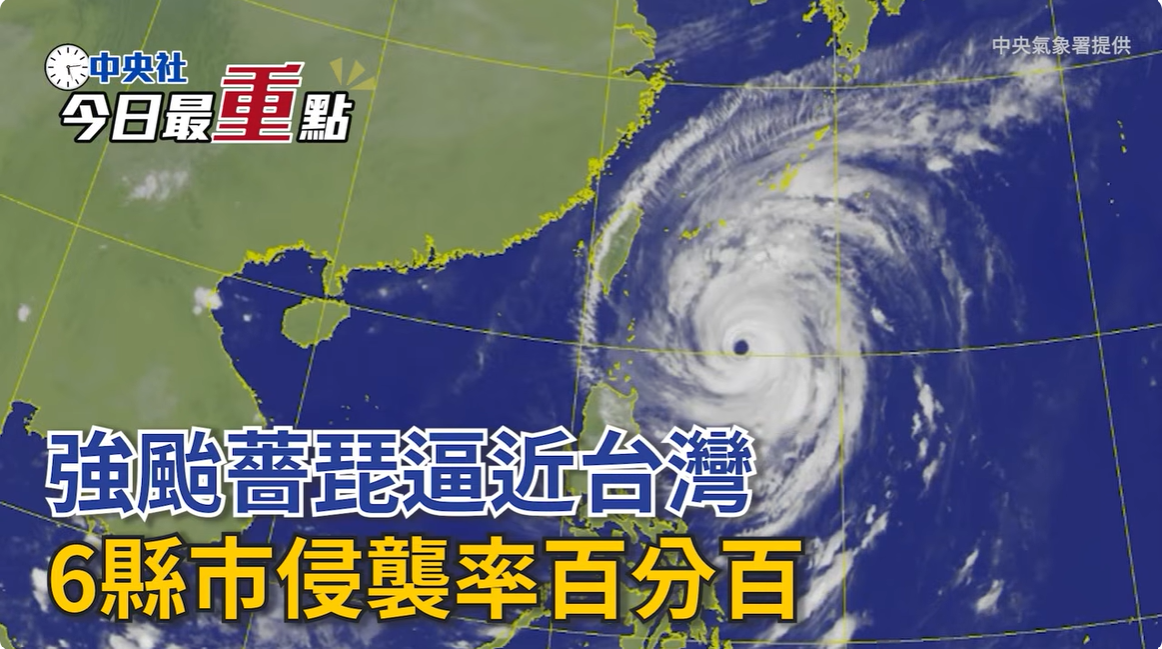
When a severe typhoon approaches Taiwan, locals naturally prepare for a potential "Typhoon Holiday."
But how do you explain this unique concept to foreign colleagues or friends during everyday small talk? Just saying, "A typhoon is coming, so we don't work," sounds a bit rigid, and constantly emphasizing how scary the storm is can easily make them overly anxious.
By using a "Relate🔗 × Explain💡 × Surprise⚡" storytelling framework, you can deliver this conversation in just 30 seconds and instantly bridge the cross-cultural gap.
The 30-Second "Typhoon Holiday" Script
Here is the exact script you can use to break the ice:
"We actually just had a 'Typhoon Holiday' here in Taiwan! It's basically the tropical version of a 'snow day.' When the winds get too extreme, the government officially shuts down the city to keep everyone safe. We mostly spend it staying indoors, catching up on emails, and eating a lot of instant noodles!"
The 3-Step Framework for Cross-Cultural Small Talk
This conversational strategy works effectively by layering three specific elements:
Step 1: 🔗 Relate
- The Line: "We actually just had a 'Typhoon Holiday' here in Taiwan! It's basically the tropical version of a 'snow day!'"
- The Rationale: This uses cross-cultural anchoring. By comparing it to a "snow day"—a concept immediately understood by Westerners—you instantly build resonance regarding an unexpected holiday.
Step 2: 💡Explain
- The Line: "When the winds get too extreme, the government officially shuts down the city to keep everyone safe."
- The Rationale: This demonstrates professional depth. Highlighting that the government shuts down the city for safety reasons emphasizes institutional professionalism and elevates the dialogue.
Step 3: ⚡Surprise
- The Line: "We mostly spend it staying indoors, catching up on emails, and eating a lot of instant noodles!"
- The Rationale: This creates a humorous contrast and softens the sense of crisis. Switching abruptly from "catching up on emails" to "eating a lot of instant noodles" provides an unexpected punchline. This humor helps dispel any fear or pressure the foreigner might associate with typhoons, making the dialogue much more relaxed.